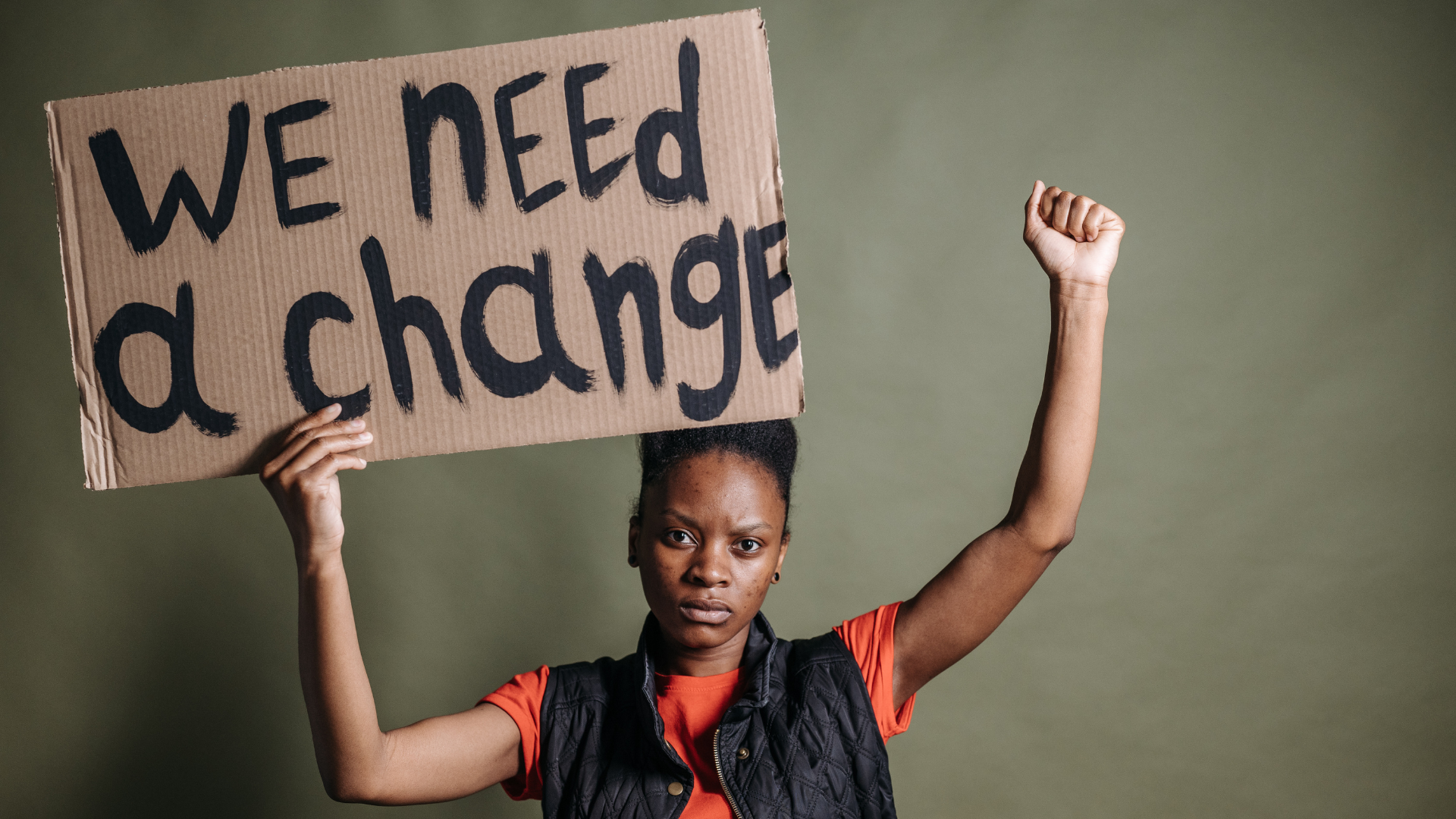
Too technophobic, too slow, or too expensive. These are just a few of the stereotypes that older people in our society are confronted with. Ageism is a form of discrimination that is estimated to affect 70% of people over the age of 55. Similarly, young people also report differential treatment based on their age. But what does the term actually mean? And can we do something about it?
Ageism
Ageism, also known as age-based discrimination, is a phenomenon in which older or younger people are confronted with stereotypes or prejudices based on their age, which can in turn lead to discrimination.
A classic textbook example of ageism is discrimination during the recruitment process. Older workers often experience difficulties finding a job because they are considered “too expensive” or “too traditional.” Employers frequently assume they have fewer technological skills, less flexibility, and outdated competencies. Young people also often face difficulties on the job market, usually because of “too little experience” or being seen as “too immature.”
But ageism also plays a role in other sectors. In the housing market, both older and younger people have a significantly harder time finding suitable housing. In the healthcare sector, older people are quickly treated as dependent, with health care workers turning to patronizing and infantilizing language. Young people are often not taken seriously. Banks frequently refuse services based on age, and in the beauty industry, aging is seen as something negative that should be avoided at all costs. Ageism is everywhere: within our institutions, within our relationships, and within ourselves.
Why is ageism so dangerous?
When prejudices and stereotypes lead to discriminatory behaviour, this has serious and far-reaching consequences for individuals’ health, well-being, and human rights. Victims report, among other things, reduced mental and physical well-being, as well as less trust in society and low self-esteem. Discrimination also often has a major material impact: affected individuals have more difficulty accessing financial resources and therefore fall into poverty more quickly.
Ageism is one of the few forms of discrimination that can affect everyone. Racism, sexism, or homophobia are often directed at one or more specific groups, allowing some individuals to escape them. But aging is a universal experience. Anyone who crosses certain age thresholds can encounter it. This makes it a very common form of discrimination, yet one that receives relatively little attention. This is very unfortunate, given that attention is urgently needed to raise awareness and educate the general public on the dangers and consequences of ageism.
It is also important to be aware of the intersectionality of different types of discrimination. Different kinds of stereotypes and prejudices can accumulate and reinforce each other. Women, people of colour, people with a migration background, people with a trans identity, or people with disabilities will therefore be more severely affected by ageism. And as with any type of discrimination, it is important to keep in mind that just because you are not a victim, it does not mean it does not exist.
What can you do about ageism?
Fortunately, there is also good news! Ageism is a socially constructed phenomenon. We learn it and are socialized into it. This means we can also unlearn it. Awareness is the first step. There are various online resources available that explain what ageism is and how we can counter it. We are happy to share these below. Do you have any additions, comments, or extra resources we can add? If so, don’t hesitate to send us an email at docu@amazone.be.

Sara-Lynn Milis
Projects & communication