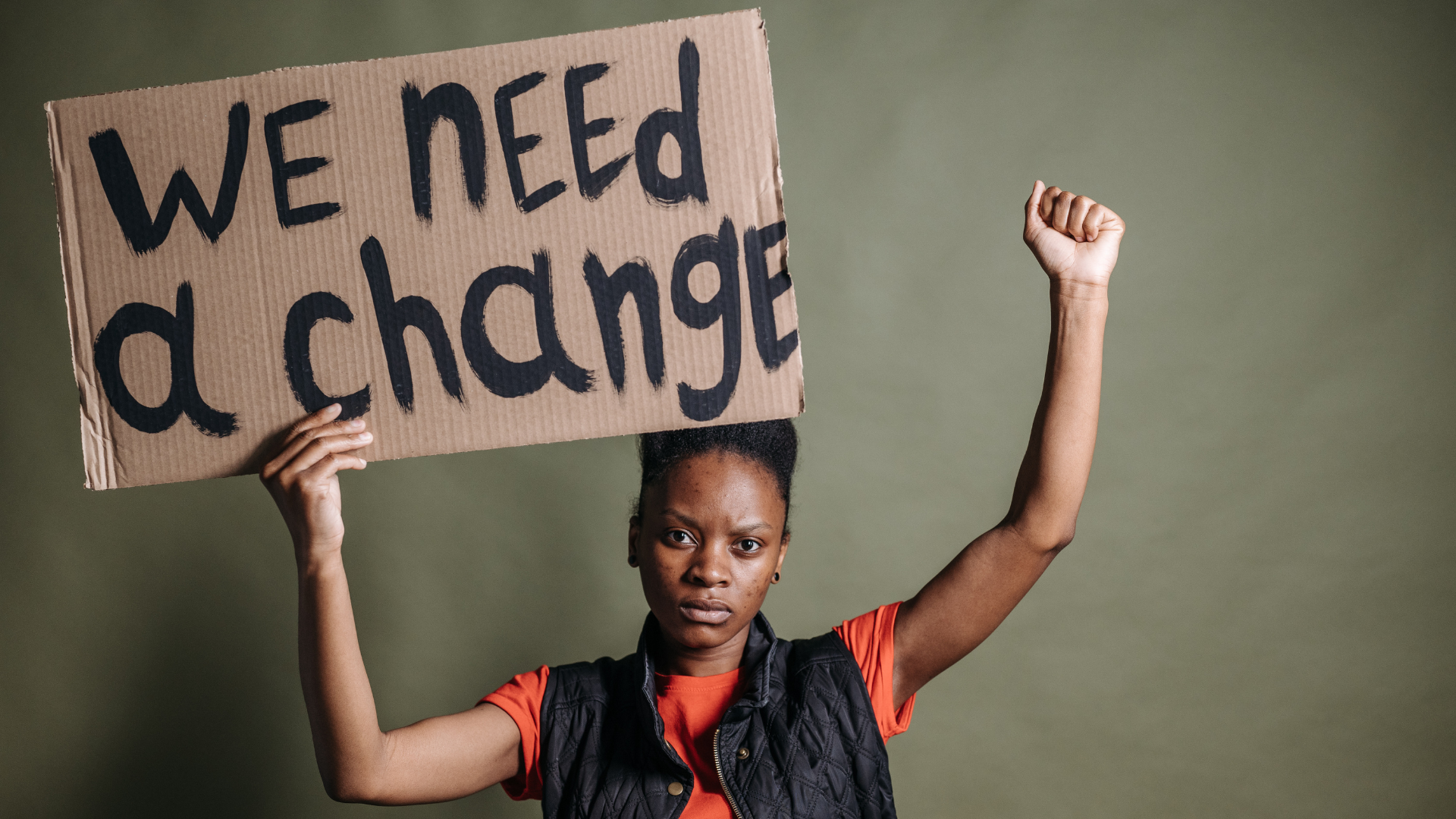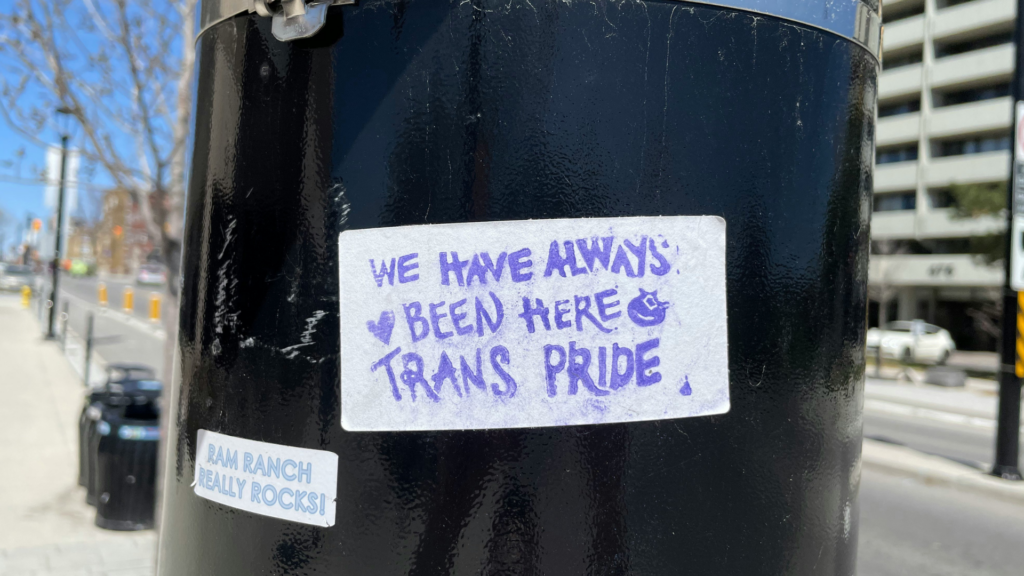
On March 31st, we celebrate International Transgender Day of Visibility (TDOV). On this day, trans people around the world are celebrated, awareness is raised, and their place in society is recognized.
The day was first established in the United States on March 31st 2009 by Rachel Crandall Crocker, an activist who wanted to portray trans people in a positive light. Previously, only the Transgender Day of Remembrance existed, a day of remembrance for victims of transphobic violence. Crocker wanted to focus on the strength and vitality of the trans community. TDOV is therefore a day of pride, connection, and visibility.
The Wijnen case
The International Transgender Day of Visibility is also celebrated in Belgium. The history of trans people in Belgium is a story of resilience and progress. One of the earliest and most defining moments was the Wijnen case. In 1967, Peggy Wijnen underwent a surgery that, according to historians, was the first male-to-female* operation in Belgium. Shortly after the surgery, Peggy passed away. Belgian justice wanted to prosecute the doctors involved, but they were acquitted in 1969. This trial laid the foundation for the legal framework that made medical interventions for trans people possible in Belgium, a milestone in the recognition of trans people’s rights. Nevertheless, it would take a long time before transitions became widely performed and accepted.
A transition is a plural and deeply personal process. It can be social (changing one’s first name, gender expression, or pronouns), legal (changing civil status), or medical (hormones, surgeries). A pathway may consist of different steps, in different orders or combinations. Each trans person is best placed to determine what they need. It is not up to society, the medical world, or the state to decide in their place.
Evolution
Since the Wijnen case, much progress has been made. In the 1980s, the first gender team was established in Belgium. At the same time, trans people began to organize themselves in the first trans organizations in 1980. Over the years, more and more groups emerged, addressing both medical and non-medical interests, which strengthened and made the community more resilient. Within the LGBTQIA+ movement, more attention was also given to trans people and their needs.
Legally, Belgium has made significant progress. The 2017 law reforming regulations relating to transgender people simplified the procedure for changing civil status by abolishing medical requirements. Someone wishing to change the sex marker in their civil status no longer needs to present a medical diagnosis or prove that they have undergone sterilization surgery beforehand. Legal recognition of gender identity in Belgium is now based solely on personal self-determination. Since the law of 20 July 2023, trans people can change their gender and their first name multiple times using the same procedure. These are victories achieved through long-term efforts led by activists and associations.
This positive evolution continues today despite a difficult climate. The number of specialized gender transition centres in Belgium has increased from two to six, meaning more people receive the care and support they need. In addition, a record was set with 748 people who changed the gender marker on their identity documents. It is often young people under the age of 25 who take this step, a sign that the younger generation increasingly experiences the freedom and space to be themselves.
Regarding discrimination, the “Gender Act” (law of 10 May 2007, amended in 2023) prohibits any discrimination based on gender identity, gender expression, and transition, and considers such acts punishable offences. This law covers harassment as well as direct and indirect discrimination. Transphobia is therefore illegal in Belgium.
Daily realities
Legislative progress is real and important. But legal change unfortunately does not guarantee a change in attitudes. For many trans people in Belgium, everyday life remains marked by numerous forms of discrimination and aggression in fundamental areas such as work, housing, healthcare, and the public space.
The latest study by the Institute for the Equality of Women and Men (2025) reports that 83.7% of trans and non-binary people surveyed experienced discrimination in the past two years. RainbowHouse indicates that according to several studies, 50 to 90% of trans people will face harassment linked to their gender identity during their lifetime, and at least 25% will be victims of assault. This violence also has profound consequences for mental health: globally, the risk of suicide is three times higher for trans people than for the rest of the population.
In addition, there is a worrying global context: the anti-gender movement, which questions the very existence of trans people, is gaining momentum, particularly through social media. These narratives fuel a transphobic climate and normalize hateful behaviour.
International Transgender Day of Visibility is therefore more important than ever as a day of celebration. It is a moment to reflect on the strength and courage of trans people in our society and to work together towards a world where everyone can be themselves.
Events in line with the Transgender Day of Visibility:
T-day 2026 – çavaria (Brussels)
Trans visibility day – Sing out Brussels (Brussels)
Séance de dédicace du livre Fétiche par Fétiche (premier·ère modèle trans) – Sos transphobie (Luik/Liège)
Some important websites and organisations surrounding trans identities :
- The Insitute of Equality between Women and Men (EN)
- Trans Solidarity Fund Belgium (EN)
- Genres pluriels (EN/FR)
- RainbowHouse (FR/EN)
Sources for this article
- https://pflag.org/transgender-day-of-visibility/
- https://www.familiegeschiedenis.be/nl/dossiers/queeridentiteit-door-de-eeuwen-heen/6-een-medische-geschiedenis-van-transgenderzorg-1920#faq-1
- https://www.vrt.be/vrtnws/nl/2026/02/26/geweld-tegen-lgbtq-personen-gestegen-in-belgie/
- https://igvm-iefh.belgium.be/nl/themas/transgender
- https://igvm-iefh.belgium.be/nl/themas/transgender/wetgeving
- https://rainbowhouse.be/fr/article/19442/

Jessie Baerts
Intern