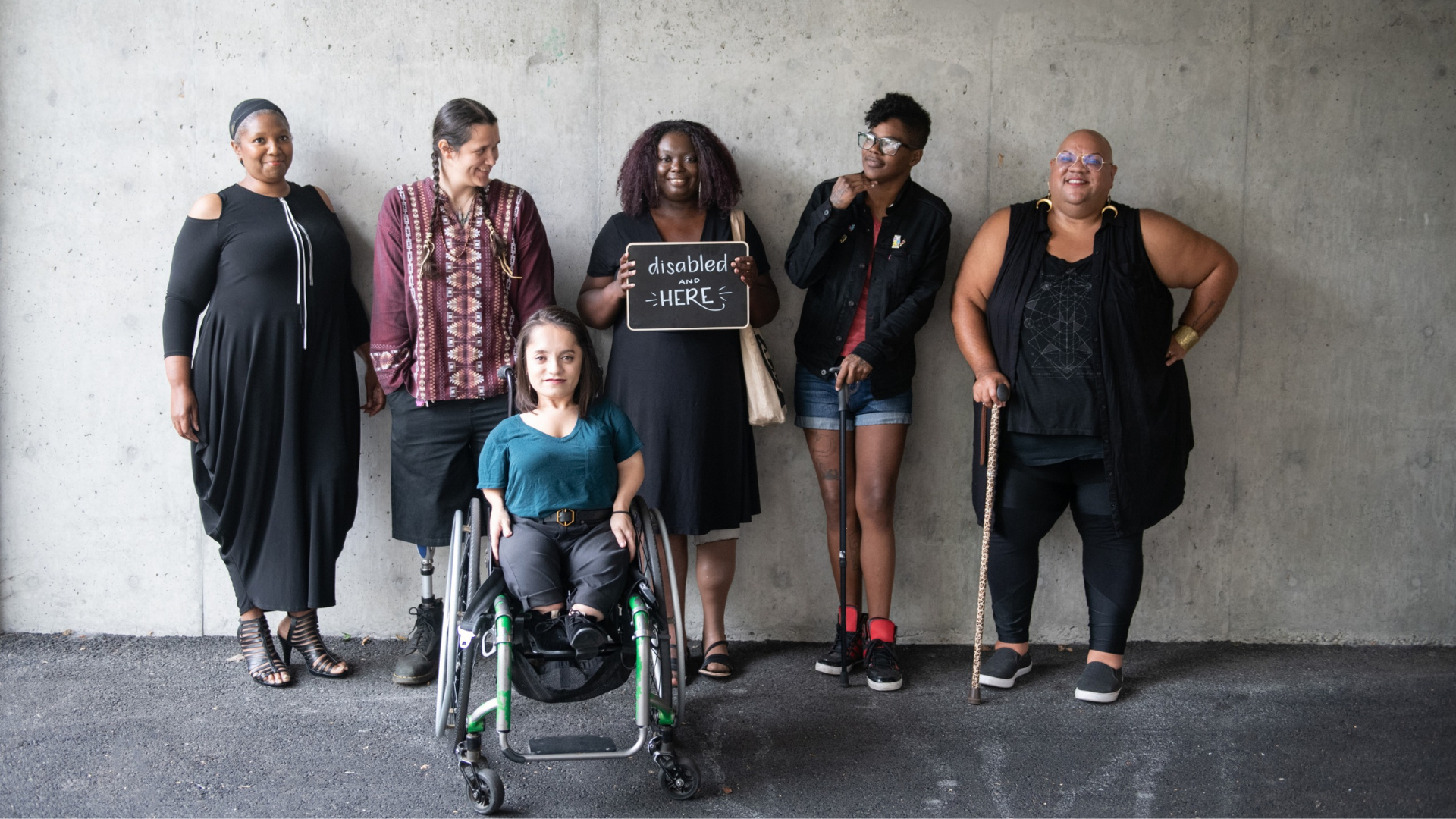
On the 28th of May 2026, Amazone, Université des femmes and RoSa are organizing a study day on sexism and racism in politics, with the support of the Institute for the Equality of Women and Men. This day will focus on how political representatives experience sexism and racism in their working environment.
Sexism and Racism: Intersectional Forms of Discrimination
Inequalities often take different forms and are described using different terms. As an introduction, let us briefly explain what we mean by each of these concepts:
- Stereotypes: Stereotypes are simplified representations that attribute supposedly uniform characteristics to all members of a group, without taking individual differences into account. They involve the automatic transfer of collective representations to individuals, regardless of their personal reality. Assuming that women are naturally more empathetic, or that men are more inclined to assert themselves, are typical examples. These patterns of thinking often form the basis for unequal treatment.
- Discrimination: Discrimination refers to unjustified unfavorable treatment of individuals based on personal characteristics. It frequently relies on stereotypes: because a person is assumed to possess the supposed attributes of their group, they are subjected to degrading treatment. Importantly, discrimination does not require explicit intent in order to have real effects. Indirect discrimination, where rules or practices that appear neutral have adverse effects on certain groups, clearly illustrates this.
- Sexism: Sexism is a form of discrimination based on sex or gender, with women, girls, and gender minorities being the primary victims. It can take hostile and explicit forms, but also more diffuse forms, such as institutional practices that structurally disadvantage certain groups.
- Racism: Racism is discrimination based on characteristics perceived as markers of belonging to a group, such as geographical origin, culture, or skin color. It is important to emphasize that “race” is understood here as a social construct: racism is not grounded in objective biological differences, but in the social and hierarchical meaning attributed to these characteristics. Racism operates at interpersonal, institutional, and structural levels, systematically affecting racialized people in their access to rights and resources.
- Intersectionality: Different forms of discrimination cannot be analyzed in isolation. The concept of intersectionality, developed by legal scholar and researcher Kimberlé Crenshaw in the late 1980s, refers to the way multiple axes of domination (gender, race, class, disability, sexual orientation, etc.) intersect and interact to produce specific experiences. A Black woman is not simply exposed to sexism and racism in an additive way; she faces forms of discrimination that are specific to her position and that cannot be fully understood through an analysis of gender alone or race alone.
The political sphere is particularly permeable to gender stereotypes. Historically, politics has been associated with men and masculinity, while women have more often been associated with the private sphere. Politics is linked to power and power relations, where leadership is often connected to qualities such as strength, assertiveness, and sometimes even aggression — characteristics traditionally perceived as masculine. These gender stereotypes can unfortunately lead to sexism, with women being treated differently from men. Racism is also a frequent problem in politics, as racialized politicians are more exposed to hateful reactions and discrimination than their white colleagues.
Sexist Reactions (Online)
Sexist attitudes and behaviors primarily concern a person’s gender. Although men can also encounter them, women are the main targets. A combination of factors often comes into play, such as ethnic origin and age. For example, a young racialized woman may be more frequently confronted with sexism, both online, in public spaces, and within political institutions such as parliament. Racism and sexism are therefore often interconnected and mutually reinforcing.
In 2024, the Institute for the Equality of Women and Men conducted research on this phenomenon in the context of elections. Online reactions directed at political representatives were analyzed, and interviews were conducted to understand how politicians experience sexist attitudes. The results showed that female candidates receive more negative reactions than their male counterparts, and that these reactions are often distinctly negative in tone. When sexist in nature, they frequently focus on physical appearance, contain gender-based insults, or refer to gender stereotypes.
The research also shows that certain groups of women are targeted more often by sexist remarks. Young women receive significantly more negative reactions than older female candidates. Visibility also plays a role: the more well-known a female politician is, the higher the risk of negative reactions. Women who take on a strongly political role or adopt a clear stance generate more negative reactions than when they share more personal messages on social media.
The media also contribute to sexism in political coverage. Women politicians appear less frequently in the news despite their growing presence and influence. When they are mentioned, greater emphasis is placed on their gender than on that of their male colleagues, and stereotypical descriptions are regularly used, such as highlighting supposedly “caring” qualities. Moreover, a clear thematic division can be observed: women appear more often in reports on education and health, while men dominate coverage related to defense and the economy.
The Effects of Discrimination
The presence of sexism in politics has a range of consequences, both for current political representatives and for potential future candidates. Women politicians confronted with sexist remarks often report having to adapt their behavior in order to avoid such reactions. They avoid certain topics or emphasize others, adjust their clothing style, or avoid activities such as canvassing because they feel unsafe. Furthermore, Anne van Bavel’s 2022 study shows that other women may become discouraged when they observe sexist behavior and sexist treatment in the media and on social networks.
How Can We Address It?
Sexism remains deeply embedded in politics and primarily affects women politicians, with clear consequences for their behavior and opportunities. This problem is reinforced by gender stereotypes, the way the media represent political figures, and the lack of institutional support. Structural changes are therefore necessary to address this inequality. But is it that simple? At the institutional level, rapid action is difficult. Running for political office is not considered a full-fledged profession. As a result, aspiring politicians have few or no opportunities to challenge sexist statements through formal channels. Only experienced political representatives can attempt to take action, for example through disciplinary procedures in parliament. Representatives who combine their political engagement with another job often have no recourse. In addition, there is little evidence that political parties themselves intervene, leaving politicians with the feeling that they are facing the problem alone. Sexism is certainly a structural issue, but responsibility for addressing it is often left to individuals.

Jessie Baerts
Intern at Amazone